How Melanoma Differs From Other Types of Skin Cancer
- posted: Sep. 10, 2025
- Skin Conditions
Skin cancer is the most common type of cancer in the United States, but not all skin cancers behave the same way. Melanoma is considered the most serious form, and understanding how it differs from other types of skin cancer is key to early detection and effective treatment. At Peters Dermatology Center in Bend, OR, Dr. Gerald Eugene Peters Jr. provides expert evaluation and care for melanoma and other skin cancers to protect your health.
What Is Melanoma?
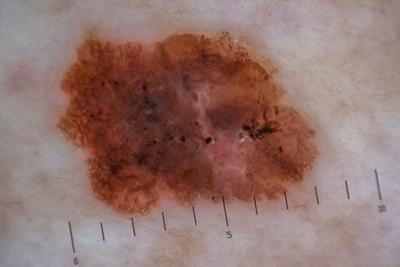
Melanoma develops in melanocytes, the pigment-producing cells within the skin. Because it arises in these cells, melanoma often appears as a new or changing mole. Unlike basal or squamous cell carcinoma, melanoma has a higher likelihood of spreading from the skin to other organs if not caught early. This makes timely recognition and treatment essential.
How It Differs From Basal and Squamous Cell Carcinoma
Basal cell carcinoma is the most common skin cancer and tends to grow slowly, often showing up as a pearly bump or sore that doesn’t heal. Squamous cell carcinoma typically appears as a scaly patch, red bump, or sore. It is more aggressive than basal cell carcinoma but still less likely to spread than melanoma. Melanoma, on the other hand, can grow quickly, show up in unexpected areas such as under the nails or on the soles of the feet, and poses the greatest overall risk to a patient’s health if left untreated.
Signs to Watch For
Because melanoma can resemble a mole, dermatologists recommend following the ABCDE rule: Asymmetry, Border irregularity, Color variation, Diameter larger than a pencil eraser, and Evolving changes in shape, size, or color. Any mole or spot with these features should be evaluated promptly by a dermatologist.
Diagnosis and Treatment
When melanoma is suspected, a biopsy is performed to confirm the diagnosis. Early-stage melanomas can often be treated effectively with surgical removal. More advanced cases may require immunotherapy, targeted therapy, or other specialized treatments. The earlier melanoma is identified, the greater the chance for successful treatment.
Protecting Your Skin
Prevention and regular monitoring are critical. Dr. Peters encourages patients to use sunscreen daily, avoid tanning beds, and schedule regular skin checks, especially for those with numerous moles or a family history of skin cancer.
Schedule Your Skin Cancer Screening Today
Melanoma is more dangerous than other types of skin cancer, but early detection saves lives. At Peters Dermatology Center in Bend, OR, Dr. Gerald Eugene Peters Jr. provides thorough screenings and advanced treatment options to help patients protect their skin health. Call 541-323-7546 (SKIN) today to schedule your skin cancer screening and safeguard your health.
- posted: Sep. 10, 2025
- Skin Conditions
Skin cancer is the most common type of cancer in the United States, but not all skin cancers behave the same way. Melanoma is considered the most serious form, and understanding how it differs from other types of skin cancer is key to early detection and effective treatment. At Peters Dermatology Center in Bend, OR, Dr. Gerald Eugene Peters Jr. provides expert evaluation and care for melanoma and other skin cancers to protect your health.
What Is Melanoma?
Melanoma develops in melanocytes, the pigment-producing cells within the skin. Because it arises in these cells, melanoma often appears as a new or changing mole. Unlike basal or squamous cell carcinoma, melanoma has a higher likelihood of spreading from the skin to other organs if not caught early. This makes timely recognition and treatment essential.
How It Differs From Basal and Squamous Cell Carcinoma
Basal cell carcinoma is the most common skin cancer and tends to grow slowly, often showing up as a pearly bump or sore that doesn’t heal. Squamous cell carcinoma typically appears as a scaly patch, red bump, or sore. It is more aggressive than basal cell carcinoma but still less likely to spread than melanoma. Melanoma, on the other hand, can grow quickly, show up in unexpected areas such as under the nails or on the soles of the feet, and poses the greatest overall risk to a patient’s health if left untreated.
Signs to Watch For
Because melanoma can resemble a mole, dermatologists recommend following the ABCDE rule: Asymmetry, Border irregularity, Color variation, Diameter larger than a pencil eraser, and Evolving changes in shape, size, or color. Any mole or spot with these features should be evaluated promptly by a dermatologist.
Diagnosis and Treatment
When melanoma is suspected, a biopsy is performed to confirm the diagnosis. Early-stage melanomas can often be treated effectively with surgical removal. More advanced cases may require immunotherapy, targeted therapy, or other specialized treatments. The earlier melanoma is identified, the greater the chance for successful treatment.
Protecting Your Skin
Prevention and regular monitoring are critical. Dr. Peters encourages patients to use sunscreen daily, avoid tanning beds, and schedule regular skin checks, especially for those with numerous moles or a family history of skin cancer.
Schedule Your Skin Cancer Screening Today
Melanoma is more dangerous than other types of skin cancer, but early detection saves lives. At Peters Dermatology Center in Bend, OR, Dr. Gerald Eugene Peters Jr. provides thorough screenings and advanced treatment options to help patients protect their skin health. Call 541-323-7546 (SKIN) today to schedule your skin cancer screening and safeguard your health.
Hours of Operation
Peters Dermatology Center
Monday
8:00 AM - 5:00 PM
Tuesday
8:00 AM - 5:00 PM
Wednesday
8:00 AM - 5:00 PM
Thursday
8:00 AM - 5:00 PM
Friday
8:00 AM - 4:00 PM
Saturday
Closed
Sunday
Closed