How to Recognize and Treat Sun Damage on Your Skin
- posted: Jul. 16, 2025
- Skin Conditions, Skin Care
In a place like Bend, Oregon, where sunny skies and outdoor adventures are part of daily life, it’s easy to forget just how much exposure your skin is getting. Whether you’re hiking Pilot Butte, floating the river, or just walking your dog, UV rays are hitting your skin, even when it doesn’t feel that hot. Over time, all that sun adds up. At Peters Dermatology Center, Dr. Gerald Peters helps patients recognize the signs of sun damage early and offers solutions to help restore and protect their skin.
Signs of Sun Damage Aren’t Always Obvious
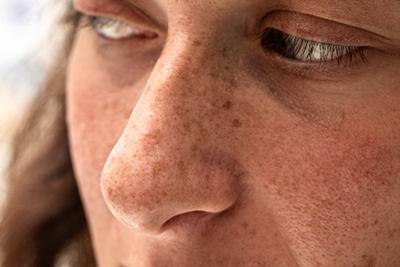
Some signs are easy to spot: freckles that weren’t there before, brown spots that keep getting darker, or fine lines that seem to have shown up overnight. But other changes can be subtler. You might notice your skin looks rough or patchy in places, feels dry no matter how much you moisturize, or develops small, broken blood vessels.
One of the most important things to watch for is a spot that doesn’t heal, keeps crusting over, or changes shape or color. These could be signs of actinic keratosis, precancerous patches caused by sun exposure, or early skin cancer.
Bend’s High Altitude Makes Protection Even More Important
At higher elevations, UV rays are stronger. Even on cool or overcast days, your skin is still at risk for damage. And because sun damage accumulates over time, even short exposures add up.
Dr. Peters recommends keeping an eye on areas that tend to get the most sun: face, neck, ears, arms, and hands. But don’t forget the tops of your feet and your scalp (especially if your hair is thinning). These are often overlooked, and frequently where damage first shows up.
Treatments That Work
The good news? There are effective ways to treat sun damage and improve the appearance and health of your skin. At Peters Dermatology Center, treatment is personalized to your skin type and the type of damage you’re dealing with.
Topical medications can help clear up precancerous spots and even out discoloration. In-office treatments such as chemical peels or light-based therapy can help reduce sun spots, smooth texture, and boost collagen production. If there’s a lesion that needs closer attention, Dr. Peters can evaluate it right away and recommend the appropriate care.
Protecting Your Skin Going Forward
Once you’ve treated your sun damage, prevention becomes the next step. Wearing broad-spectrum sunscreen daily, reapplying often, and choosing protective clothing when you’re outdoors can go a long way. Regular skin checks also help catch any new concerns early, before they become serious.
Get Help for Sun-Damaged Skin
You don’t need to be a dermatologist to notice when something looks or feels different on your skin, but you do need someone you trust to guide you through what to do next. Dr. Gerald Peters and the team at Peters Dermatology Center in Bend, Oregon, are here to help you stay ahead of sun damage and keep your skin healthy for years to come.
If you’ve noticed changes in your skin or just want to stay proactive, schedule a consultation by calling 541-323-7546.
- posted: Jul. 16, 2025
- Skin Conditions, Skin Care
In a place like Bend, Oregon, where sunny skies and outdoor adventures are part of daily life, it’s easy to forget just how much exposure your skin is getting. Whether you’re hiking Pilot Butte, floating the river, or just walking your dog, UV rays are hitting your skin, even when it doesn’t feel that hot. Over time, all that sun adds up. At Peters Dermatology Center, Dr. Gerald Peters helps patients recognize the signs of sun damage early and offers solutions to help restore and protect their skin.
Signs of Sun Damage Aren’t Always Obvious
Some signs are easy to spot: freckles that weren’t there before, brown spots that keep getting darker, or fine lines that seem to have shown up overnight. But other changes can be subtler. You might notice your skin looks rough or patchy in places, feels dry no matter how much you moisturize, or develops small, broken blood vessels.
One of the most important things to watch for is a spot that doesn’t heal, keeps crusting over, or changes shape or color. These could be signs of actinic keratosis, precancerous patches caused by sun exposure, or early skin cancer.
Bend’s High Altitude Makes Protection Even More Important
At higher elevations, UV rays are stronger. Even on cool or overcast days, your skin is still at risk for damage. And because sun damage accumulates over time, even short exposures add up.
Dr. Peters recommends keeping an eye on areas that tend to get the most sun: face, neck, ears, arms, and hands. But don’t forget the tops of your feet and your scalp (especially if your hair is thinning). These are often overlooked, and frequently where damage first shows up.
Treatments That Work
The good news? There are effective ways to treat sun damage and improve the appearance and health of your skin. At Peters Dermatology Center, treatment is personalized to your skin type and the type of damage you’re dealing with.
Topical medications can help clear up precancerous spots and even out discoloration. In-office treatments such as chemical peels or light-based therapy can help reduce sun spots, smooth texture, and boost collagen production. If there’s a lesion that needs closer attention, Dr. Peters can evaluate it right away and recommend the appropriate care.
Protecting Your Skin Going Forward
Once you’ve treated your sun damage, prevention becomes the next step. Wearing broad-spectrum sunscreen daily, reapplying often, and choosing protective clothing when you’re outdoors can go a long way. Regular skin checks also help catch any new concerns early, before they become serious.
Get Help for Sun-Damaged Skin
You don’t need to be a dermatologist to notice when something looks or feels different on your skin, but you do need someone you trust to guide you through what to do next. Dr. Gerald Peters and the team at Peters Dermatology Center in Bend, Oregon, are here to help you stay ahead of sun damage and keep your skin healthy for years to come.
If you’ve noticed changes in your skin or just want to stay proactive, schedule a consultation by calling 541-323-7546.
Hours of Operation
Peters Dermatology Center
Monday
8:00 AM - 5:00 PM
Tuesday
8:00 AM - 5:00 PM
Wednesday
8:00 AM - 5:00 PM
Thursday
8:00 AM - 5:00 PM
Friday
8:00 AM - 4:00 PM
Saturday
Closed
Sunday
Closed