Can Squamous Cell Carcinoma Spread? What to Watch For
- posted: Apr. 06, 2025
- Skin Conditions, Skin Treatments, Skin Care
Your skin works hard to protect you from the elements, but long-term exposure can sometimes lead to more serious concerns, like squamous cell carcinoma (SCC). While often treatable when caught early, SCC can spread if left unchecked. Understanding how it behaves and when to take action can make all the difference in protecting your health.
At Peters Dermatology Center in Bend, OR, Dr. Gerald Peters and our team are here to help you recognize early warning signs and offer expert care when it matters most.
What Is Squamous Cell Carcinoma?
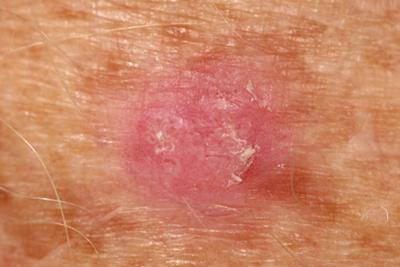
SCC is a type of skin cancer that develops in the squamous cells—the flat cells that make up the outer layer of the skin. It often presents as a scaly patch, rough bump, or non-healing sore, typically on sun-exposed skin areas like the face, neck, and hands. While less aggressive than melanoma, SCC can still lead to issues if not treated.
Can It Spread?
In some cases, yes. While most forms of SCC do not spread, they can spread—or metastasize—to nearby lymph nodes or internal organs if left untreated. The risk is higher with larger or deeper tumors, lesions on high-risk areas like the ears or lips, or in people with weakened immune systems.
What Are the Warning Signs?
Most squamous cell carcinomas (SCCs) are found early, but some changes should prompt a visit to your dermatologist. Watch for sores that don’t heal, grow larger, or begin to bleed. Swelling or tenderness near the area, especially around the lymph nodes, can indicate that the cancer is advancing. Getting checked is a good idea if you're feeling unusually tired or notice other unexplained symptoms.
Treatment Options
The good news is that SCC is highly treatable. Treatment depends on the tumor’s size, depth, and location. Surgical excision or Mohs surgery is often recommended to remove the lesion fully. For smaller or superficial spots, options like cryotherapy or topical medications may be appropriate. In more advanced cases, radiation therapy or systemic treatments like immunotherapy can help control the spread.
Dr. Peters will develop a treatment plan tailored to your skin and health history, focusing on effectiveness and long-term results.
Prevention and Early Detection Matter
Protecting your skin from the sun is the best way to prevent SCC. Use SPF 30 or higher daily, wear protective clothing, and avoid tanning beds. Regular self-exams and annual skin checks are essential for early detection.
If you notice a suspicious spot or have concerns about a recent skin change, contact Peters Dermatology Center in Bend, OR, at (541) 323-7546 to schedule an evaluation. Early action can make all the difference.
- posted: Apr. 06, 2025
- Skin Conditions, Skin Treatments, Skin Care
Your skin works hard to protect you from the elements, but long-term exposure can sometimes lead to more serious concerns, like squamous cell carcinoma (SCC). While often treatable when caught early, SCC can spread if left unchecked. Understanding how it behaves and when to take action can make all the difference in protecting your health.
At Peters Dermatology Center in Bend, OR, Dr. Gerald Peters and our team are here to help you recognize early warning signs and offer expert care when it matters most.
What Is Squamous Cell Carcinoma?
SCC is a type of skin cancer that develops in the squamous cells—the flat cells that make up the outer layer of the skin. It often presents as a scaly patch, rough bump, or non-healing sore, typically on sun-exposed skin areas like the face, neck, and hands. While less aggressive than melanoma, SCC can still lead to issues if not treated.
Can It Spread?
In some cases, yes. While most forms of SCC do not spread, they can spread—or metastasize—to nearby lymph nodes or internal organs if left untreated. The risk is higher with larger or deeper tumors, lesions on high-risk areas like the ears or lips, or in people with weakened immune systems.
What Are the Warning Signs?
Most squamous cell carcinomas (SCCs) are found early, but some changes should prompt a visit to your dermatologist. Watch for sores that don’t heal, grow larger, or begin to bleed. Swelling or tenderness near the area, especially around the lymph nodes, can indicate that the cancer is advancing. Getting checked is a good idea if you're feeling unusually tired or notice other unexplained symptoms.
Treatment Options
The good news is that SCC is highly treatable. Treatment depends on the tumor’s size, depth, and location. Surgical excision or Mohs surgery is often recommended to remove the lesion fully. For smaller or superficial spots, options like cryotherapy or topical medications may be appropriate. In more advanced cases, radiation therapy or systemic treatments like immunotherapy can help control the spread.
Dr. Peters will develop a treatment plan tailored to your skin and health history, focusing on effectiveness and long-term results.
Prevention and Early Detection Matter
Protecting your skin from the sun is the best way to prevent SCC. Use SPF 30 or higher daily, wear protective clothing, and avoid tanning beds. Regular self-exams and annual skin checks are essential for early detection.
If you notice a suspicious spot or have concerns about a recent skin change, contact Peters Dermatology Center in Bend, OR, at (541) 323-7546 to schedule an evaluation. Early action can make all the difference.
Hours of Operation
Peters Dermatology Center
Monday
8:00 AM - 5:00 PM
Tuesday
8:00 AM - 5:00 PM
Wednesday
8:00 AM - 5:00 PM
Thursday
8:00 AM - 5:00 PM
Friday
8:00 AM - 4:00 PM
Saturday
Closed
Sunday
Closed